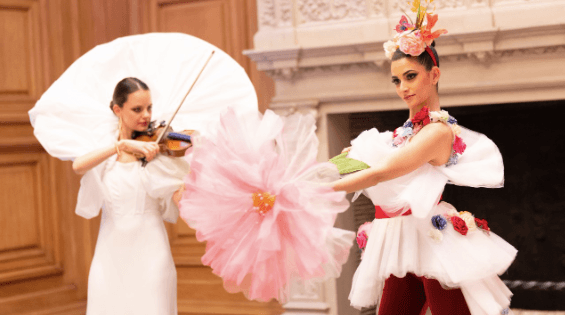
Costume design translates backstory into fabric, silhouette, and touch before lines are spoken. The wardrobe sketches mood, era, and intent, guiding actor movement and audience perception. Designers thread color, texture, and cut into every scene, aligning with lighting, set, and sound. In theatre, fittings echo live presence; on screen, continuity threads through edits and angles. The craft invites collaboration across departments, yet remains a quiet engine behind the moment that follows. Something about this partnership invites further exploration.
How Costume Design Shapes Character on Screen and Stage
Costume design acts as a solvent for character, dissolving backstory into fabric and silhouette so audiences read intent before a line is spoken. The process charts character concealment through meticulous detail, guiding audience perception with deliberate choices in silhouette, line, and proportion. On screen and stage, collaboration translates mood into wardrobe, permitting freedom in interpretation while keeping narrative clarity and visual coherence.
From Fabric to Mood: Color, Texture, and Era in Costumes
Color and texture in wardrobe are not mere decorations but practical instruments for mood, signaling era, locale, and inner life with a single look. In design, color psychology guides audience perception, while textile engineering ensures authentic drape and movement. Fabric choices map historical nuance, enabling actors to inhabit time and place with quiet specificity, collaborative problem-solving shaping coherent, liberated storytelling through material language.
Collaboration, Continuity, and Craft in Theatre vs. Film
The design team moves from the intimate act of fabric selection to the larger choreography of production, where collaboration, continuity, and craft shape how a story unfolds on stage and screen. Visual threads reveal collaboration across departments, balancing craft vs. artistry, while theatre to film adaptation challenges test continuity, performance tempo, and department-wide discipline, aligning costume language with evolving narrative needs.
Practical Frameworks for Designing Costumes (Process, Budget, and Testing)
Practical frameworks anchor costume design in a clear sequence of steps: research and concept development, plan drafts, budgeting, fittings, and testing. The process emphasizes costume budgeting accuracy, disciplined testing protocols, and open collaboration dynamics. Visual descriptions accompany decisions: fabric textures, silhouette shifts, color stories. Teams synchronize roles, timelines, and approvals, ensuring freedom within constraints, while iteration reveals how mood and movement cohere on screen and stage.
Frequently Asked Questions
How Do Designers Manage Costume Aging and Wear on Set?
Costume aging is simulated with team-driven staging and gentle distressing, controlling wear on set to preserve continuity; it reflects viewer culture while balancing sustainability ethics, non traditional materials, gender representation, and collaborative, detail-oriented choices for freedom-loving productions.
What Role Does Viewer Culture Play in Costume Choices?
Viewer culture guides costume choices, shaping garments that respect viewer norms and audience expectations, while exploiting cultural symbolism and garment authenticity; designers collaborate visually to tell stories, balancing freedom of expression with recognizable cues in a shared, evolving gaze.
How Are Non-Traditional Materials Approved for Costumes?
Non traditional materials undergo rigorous approval processes, balancing safety, aesthetics, and narrative intent; committees review pliability, flame retardancy, and dye compatibility, while designers prototype swatches, collaborate with tailors, fabricators, and actors to ensure expressive, freedom-enhancing costumes.
See also: Brain-Enhancing Technologies
How Is Gender Representation Addressed in Costume Design?
Coincidence threads through choices as gender representation guides costume symbolism, shaping silhouettes and color to reflect identity, power, and fluidity; designers collaborate with directors, actors, and writers, translating intention into visual storytelling that respects freedom and nuance.
What Ethics Govern Sourcing and Sustainability of Fabrics?
Ethical sourcing governs fabric selection, demanding transparent supply chains and fair labor. The team prioritizes sustainable fabrics, collaborates with mills that minimize waste, and documents lifecycle impacts to ensure ethical sourcing and sustainable fabrics underpin every costume decision.
Conclusion
In the final stitch, coincidence threads the wardrobe to the story. A torn seam echoes a fracture in a character’s trust; a mismatched buckle nudges a plot forward as if fate had chosen the accessory. On stage and screen, fabrics align with moment and memory, yet require collaborative vigilance to stay true. When colleagues cross-reference mood with material, continuity becomes a quiet ally, guiding viewers through shifts in time, space, and perception without a single wasted thread.