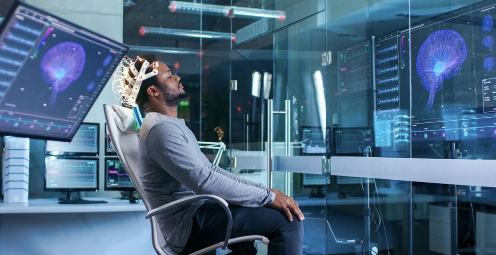
Brain-computer interfaces translate neural signals into external actions via neural decoding and signal acquisition. They range from invasive systems with high fidelity to noninvasive methods prioritizing safety, with hybrids for reliability. Real-world applications span medicine, prosthetics, neurorehabilitation, and daily assistance. Critical questions concern reliability, safety, interoperability, privacy, and consent. The field organizes around ethics, policy, and user-centered design, inviting further examination of how these interfaces will integrate into everyday life and clinical practice.
What Are Brain-Computer Interfaces and How They Work
Brain–computer interfaces (BCIs) are systems that establish a direct communication pathway between the brain and an external device, translating neural signals into actionable commands.
This framework relies on neural decoding to interpret intent and signal acquisition to capture neural activity.
Types of BCIs: Invasive, Noninvasive, and Hybrid Approaches
Invasive, noninvasive, and hybrid BCIs constitute distinct approaches to extracting neural signals and translating them into actionable commands, each balancing trade-offs among invasiveness, signal fidelity, risk, and practicality.
Invasive techniques offer high fidelity at higher risk; noninvasive methods favor safety and accessibility with noisier data; hybrid approaches combine modalities to optimize reliability, adaptability, and user control for diverse tasks across disciplines.
Real-World Uses: Medicine, Communication, and Everyday Assistance
Real-world applications of brain-computer interfaces span medicine, communication, and daily assistance, reflecting a spectrum from diagnostic augmentation to autonomic support.
In clinical contexts, neural decoding informs prosthetic control and neurorehabilitation, while streamlined interfaces emphasize user experience.
Researchers evaluate reliability, safety, and interoperability, linking neural signals to actionable outputs.
Outcomes favor scalable, patient-centered tools empowering individuals with greater autonomy and decision-making capacity.
Challenges, Ethics, and the Road Ahead for BCIs
Emerging from the demonstrated benefits in medical, communicative, and daily-support contexts, the challenges, ethics, and future trajectory of brain-computer interfaces (BCIs) center on reliability, safety, privacy, and societal impact.
The discussion examines privacy implications, data governance, and user autonomy, balancing innovation with risk assessment, accountability, and consent.
Interdisciplinary research informs policy, design standards, and resilient systems guiding responsible, user-centered BCI development.
Frequently Asked Questions
How Do BCIS Affect Mental Privacy and Brain Data Ownership?
Brain-Computer Interfaces influence mental privacy and brain data ownership by shaping access, control, and consent mechanisms; data provenance and governance require clear ownership, robust anonymization, and interdisciplinary standards to preserve individual autonomy while enabling beneficial research and innovation.
What Are the Long-Term Risks of Chronic Implantable Electrodes?
Like a slow-burning fuse, long term risks of chronic implants include tissue response, device degradation, and infection potential. The analysis highlights long term risks, chronic implants; Ethical considerations, data security, and ongoing safety surveillance for patient autonomy and protection.
Can BCIS Enhance Senses Beyond Natural Human Capabilities?
Yes, BCIs can enable enhanced perception and sensory augmentation, though limits exist. Interdisciplinary evidence suggests potential for novel modalities, adaptive encoding, and ethical considerations; benefits depend on resolution, integration, training, and individual neural plasticity, balancing freedom with safety.
How Affordable Are BCIS for Everyday Consumers Later Adopters?
Approximately one in five early adopters report cost as a primary barrier, impacting affordability and speed of uptake. Affordability barriers shape consumer adoption timelines, shaping market growth while researchers pursue scalable, interdisciplinary solutions balancing function, safety, and freedom of use.
See also: Blockchain-Based Identity Systems
What Regulatory Approvals Ensure Safety and Efficacy Timelines?
Regulatory pathways for BCIs require phased validation and safety benchmarks, with clinical trial timelines detailing enrollment, endpoints, and milestones. In parallel, efficacy demonstrations and risk assessments guide approvals, balancing innovation with patient protection and practical timelines for translational impact.
Conclusion
Brain-computer interfaces offer a direct brain-device conduit, translating neural signals into actionable commands across invasive, noninvasive, and hybrid modalities. Empirical evidence demonstrates improvements in medical neurorehabilitation, assistive communication, and prosthetic control, yet reliability, safety, privacy, and interoperability remain central challenges. Interdisciplinary collaboration among neuroscience, engineering, ethics, and policy is essential. Will rigorous standards and user-centered design secure trustworthy adoption, or will evolving capabilities outpace safeguards, undermining consent and equity?