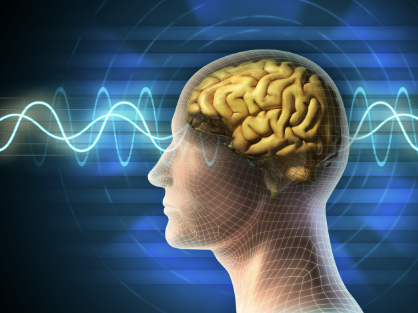
Brain-enhancing technologies encompass pharmacological, physiological, and computational tools aimed at memory, attention, and problem-solving. Nootropics, stimulation devices, wearables, and AI-driven analytics form an integrated approach to support healthy function and recovery from impairment. Ethical considerations—autonomy, safety, access, and long-term societal impact—shape development and deployment. Evidence must be rigorous, transparent, and reproducible to calibrate risk and efficacy. The promise is real, but practical, real-world implementation demands careful scrutiny before broad adoption.
What Brain-Enhancing Tech Really Is
What brain-enhancing technology is fails to capture, at a glance, the full scope of its aims and mechanisms.
The field encompasses brain stimulation—modulation of neural activity—and digital biomarkers, which track physiological signals to infer cognitive states.
Technological aims include enhancement, recovery, and optimized function, while ethical considerations persist about autonomy, access, and unintended consequences, demanding rigorous, evidence-based evaluation and transparent reporting.
Nootropics, Devices, and AI: A Quick Foundational Guide
Nootropics, devices, and AI constitute a triad of approaches that collectively address cognitive performance through pharmacological, physiological, and computational pathways.
This guide presents foundational distinctions, examining evidence for nootropics safety and wearable devices efficacy, while noting methodological limits.
Concepts are framed for autonomy, enabling informed choices; practical implications emphasize reproducibility, standardized reporting, and transparent, critical appraisal of outcomes within real-world contexts.
Weighing Benefits Against Risks and Ethics
Assessing brain-enhancing technologies requires balancing demonstrable benefits in cognitive performance with potential risks to safety, equity, and societal well-being; evidence indicates that while some interventions yield measurable gains in memory, attention, or problem-solving, effect sizes are heterogeneous and often context-dependent.
This analysis emphasizes risk assessment and long term implications, noting ethical considerations, access disparities, and unintended consequences that shape prudent policy and responsible innovation.
How to Choose Safe, Effective Tools for You
When selecting brain-enhancing tools, individuals should prioritize interventions with robust, replicated evidence of efficacy and transparent safety profiles, while accounting for personal goals and baseline cognitive functioning.
Tools should emphasize brain safety, clear device regulation, and measurable outcomes.
AI assisted decision making can support choice but must align with ethical considerations, fostering informed, autonomous decisions without compromising safety or freedom.
Frequently Asked Questions
What Are Long-Term Cognitive Effects of Brain-Enhancing Tech?
Long term cognitive effects remain uncertain, varying by technique and individual. Evidence suggests brain plasticity may adapt positively to some interventions, yet risks include dependence and dysregulation; robust, long-term studies are required to determine net effects on cognition.
How Do We Regulate Safety Across Devices and Apps?
Like a lighthouse in fog, regulation pilots safety across devices and apps. The analysis weighs regulatory ethics and safety standards, proposing transparent evaluation, ongoing auditing, and enforceable accountability to harmonize innovation with public protection across platforms.
Can Enhancement Create Social or Accessibility Inequities?
Enhancement can widen accessibility gaps if deployment favors affluent groups; without deliberate policy, equitable access remains uncertain. Evidence suggests targeted subsidies and universal design reduce disparities, yet monitoring and ongoing evaluation are essential to sustain accessibility improvements.
See also: Brain-Computer Interfaces Explained
Do These Tools Affect Sleep, Mood, or Mental Health?
Initial analyses suggest these tools can affect sleep schedules and mood regulation, though effects vary by individual. Evidence supports modest sleep disruption and mood fluctuations in some users, with broader mental health outcomes remaining uncertain and contingent on usage patterns.
What Is the Cost-Effectiveness of Different Options?
Cost-effectiveness varies by option; rigorous cost-benefit analyses show heterogeneous value, with higher upfront costs often offset by durable outcomes, while user adoption hinges on perceived utility, accessibility, and risk management. Overall, prudent investment favors scalable, evidence-backed approaches.
Conclusion
In the quiet margin between promise and proof, brain-enhancing technologies linger. The evidence landscape is diverse, uncertain in places, and evolving in others, demanding rigorous scrutiny and transparent reporting. While some tools show measurable gains, risks, access, and long-term effects remain unsettled. The decisive question is not a hype-filled forecast but whether robust safety, personalized efficacy, and equitable deployment can be demonstrated at scale. Until then, a vigilant, evidence-driven stance preserves both possibility and responsibility. The suspense endures.